Home Renovation Cost in 2026: Real Ranges by Project
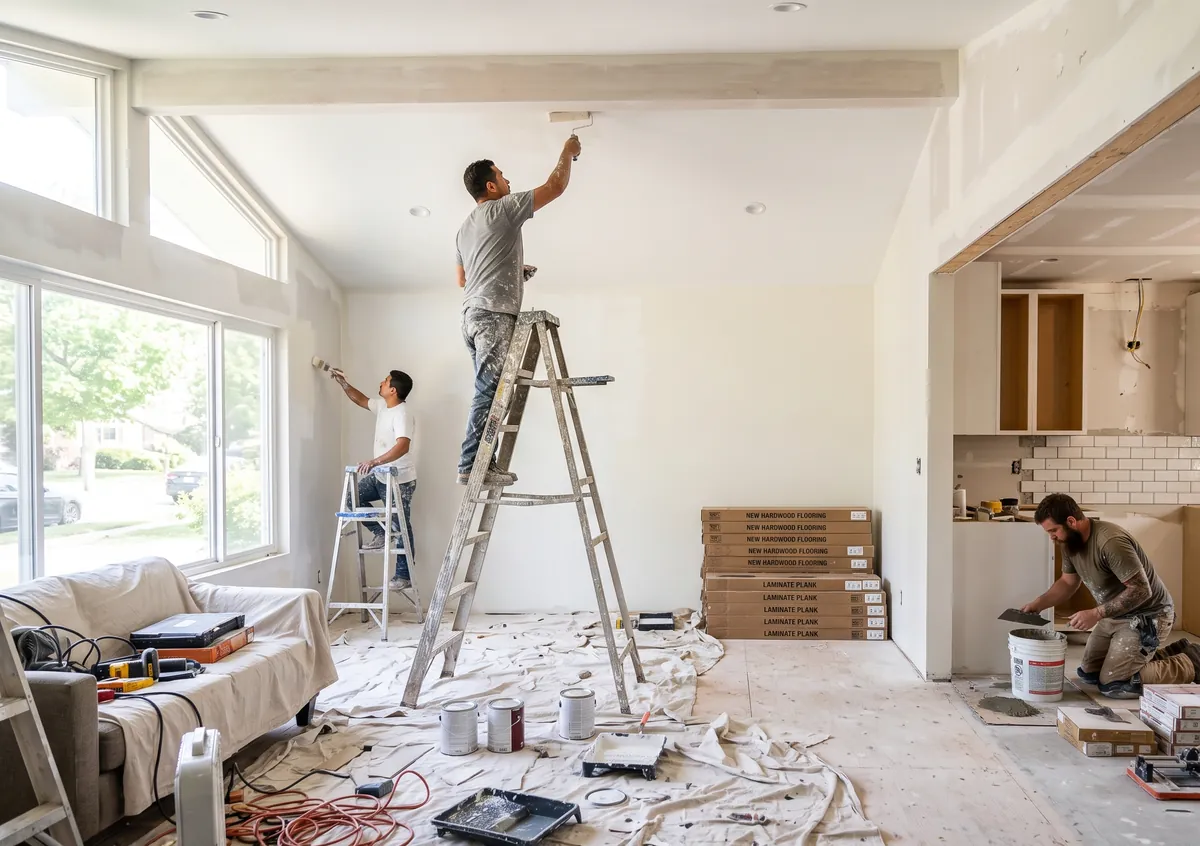
Home renovation cost: in 2026, most residential renovations run between $100 and $300 per square foot depending on the room and the finishes, with kitchens and bathrooms at the top of that range because they pack plumbing, electrical, and expensive materials into a small footprint, and a smart budget always carries a 10 to 20 percent contingency on top.
I've priced and built renovations for twenty years, and I'll tell you the same thing I tell every homeowner at the kitchen table: the number that matters isn't the one on the bid. It's the one on the bid plus the surprises behind the walls. Below are honest ranges by project type, what actually drives the cost up or down, and the one budgeting rule that separates the people who finish on plan from the people who run out of money at the drywall stage.
A word on these numbers: they're market observations from my own jobs and from talking with contractors around the country. Costs swing hard by region, by the age and condition of your house, and by how nice you go on finishes. Treat these as ranges to plan with, not quotes.
Renovation Cost Ranges by Project Type
Here's what I'd consider normal in a mid-size US market right now for quality, permitted work by an insured contractor. Big metros run higher. Rural areas run lower. Luxury finishes can blow past the top of every range.
| Project | Typical total cost | Rough per-square-foot |
|---|---|---|
| Bathroom remodel (standard) | $12,000 to $30,000 | $250 to $550 |
| Bathroom remodel (primary / large) | $30,000 to $60,000+ | $300 to $650 |
| Kitchen remodel (mid-range) | $30,000 to $60,000 | $150 to $300 |
| Kitchen remodel (high-end) | $60,000 to $120,000+ | $300 to $500+ |
| Basement finishing | $30,000 to $80,000 | $50 to $120 |
| Room addition | $80,000 to $200,000+ | $200 to $400+ |
| Whole-home renovation (cosmetic) | $60,000 to $150,000 | $50 to $100 |
| Whole-home renovation (gut) | $150,000 to $400,000+ | $150 to $300+ |
Notice the spread within each row. That's not me hedging. That's the honest reality that finishes, structure, and your home's existing condition move the number more than square footage does.
Why Kitchens and Baths Cost the Most Per Foot
A bathroom is the most expensive room in the house per square foot, and people are always surprised by that. A 50-square-foot bathroom can run $20,000. The reason is density. You're cramming plumbing, ventilation, electrical, waterproofing, tile, fixtures, and cabinetry into a tiny space, and every one of those trades has to come in, do precise work, and leave before the next one starts. Square footage is small but trade complexity is huge.
Kitchens are the same story scaled up: cabinetry, countertops, appliances, plumbing, electrical for circuits and lighting, and often a structural change to open up a wall. The materials alone (cabinets and counters) can eat half the budget.
If you're choosing where to spend, those two rooms return the most at resale and cost the most to do. Plan them carefully. A solid home renovation planner and cost workbook helps you lock finishes on paper before demo, which is exactly where overruns start.
What Actually Drives the Cost
The bid is a starting point. These are the levers that push your real cost up or down.
The Age and Condition of Your House
This is the big one, and it's invisible until we open things up. In a house built before 1980, I budget for surprises as a near certainty: knob-and-tube or aluminum wiring that has to be replaced, galvanized plumbing that's corroded shut, no insulation, rotted subfloor under a leaking bathroom, or a "wall" that turns out to be load-bearing. None of that shows on the plans. All of it costs money.
Structural vs. Cosmetic Scope
Moving a wall, especially a load-bearing one, changes the project category entirely. A cosmetic refresh (paint, flooring, fixtures, cabinets in the same layout) is the cheap end. The moment you relocate plumbing, move walls, or change the roofline, you've added engineering, permits, and trade coordination, and the cost jumps.
Finish Level
The same kitchen layout can cost $35,000 or $90,000 depending entirely on what you put in it. Stock cabinets versus custom. Laminate versus quartz versus natural stone. Builder fixtures versus designer. This is the lever you control most directly, and it's where allowances on your bid either hold or blow up. For how allowances and markup work on the bid itself, see my general contractor cost guide.
Permits, Inspections, and Code Upgrades
Permitted work sometimes triggers code upgrades you didn't plan for. Open up a wall and the inspector may require the whole circuit brought to current code. It's frustrating, but it's also the system working. Budget for it, and never let a contractor talk you into skipping permits to dodge it. That shortcut comes back at resale. The Department of Housing and Urban Development is blunt about why permits and licensed work matter on home improvement projects: unpermitted work is exactly what trips up a future sale or insurance claim.
Labor Market and Region
Skilled trades are in tight supply in a lot of markets. Where electricians and plumbers are booked out three months, their rates reflect it, and so does your bid. This is also why the rock-bottom bid is suspicious: real labor costs what it costs.
Site Access and Logistics
This one surprises people. A third-floor condo with no elevator costs more to renovate than the same square footage in a ranch house, because every sheet of drywall, every cabinet, and every bag of debris gets carried by hand. A tight urban lot with no place to park a dumpster adds permit fees and hauling costs. A rural job an hour from the supply house adds drive time to every trip. None of this shows up in a per-square-foot rule of thumb, but it all lands in the bid.
A Real-World Example of the Spread
Let me make the ranges concrete. Two homeowners asked me to bid a mid-range kitchen, same size, roughly 200 square feet, same general layout. House A was built in 2015. Clean wiring, modern plumbing, no surprises, keeping the existing layout. That kitchen came in around $42,000 and finished within a few hundred dollars of the bid.
House B was a 1958 ranch. We wanted to move the sink, open a half wall to the dining room, and the moment we opened things up we found cloth-wrapped wiring that had to be replaced and a drain line that was barely draining. Same size kitchen, but it landed near $68,000 by the time we were done, and most of that gap was the age of the house and the layout change, not fancier finishes. Both homeowners got a good kitchen. The difference in cost had almost nothing to do with square footage and everything to do with what was behind the walls and how much we moved. That is the spread in those tables, in real life.
The 10 to 20 Percent Contingency Rule
If you take one thing from this article, take this: set aside a contingency of 10 to 20 percent of your project cost, and don't touch it unless a surprise forces you to.
For a newer home with a well-defined cosmetic scope, 10 percent is usually enough. For an older home or a gut renovation where nobody knows what's behind the plaster, carry 20 percent or more. This isn't pessimism. It's how every experienced builder budgets, because the surprise behind the wall is not an "if," it's a "when."
The homeowners who run out of money mid-project almost always made the same mistake: they budgeted the exact bid amount, picked the lowest one, and had nothing left when the subfloor turned out to be rotted. Don't be that homeowner. A $50,000 kitchen with a $10,000 contingency that you finish for $54,000 is a success. A $40,000 kitchen with no contingency that you can't finish is a disaster, and I get the call to come rescue it. I've laid out how those jobs go sideways in my piece on the signs of a bad contractor.
How to Keep Your Number Honest
A few habits keep your real cost close to your planned cost:
- Lock your finishes before demo. Every decision you make mid-project costs more than the same decision made on paper.
- Get three itemized bids on one written scope so you're comparing the actual work. My guide on how to hire a general contractor walks through this.
- Use realistic allowances, not the thin ones a contractor uses to make a bid look lean.
- Tie payments to milestones with a small deposit, never a big one up front.
- Hold your contingency separate. Mentally and ideally in a separate account. If you treat it as spendable, you'll spend it.
Frequently Asked Questions
How much does it cost to renovate a house in 2026?
Most residential renovations run between $100 and $300 per square foot in 2026, depending on the room and the finishes. Kitchens and bathrooms sit at the top of that range because they pack plumbing, electrical, and expensive materials into a small footprint. A cosmetic whole-home refresh can run as low as $50 to $100 per square foot, while a full gut renovation can hit $150 to $300 or more.
How much does a kitchen remodel cost in 2026?
A mid-range kitchen remodel typically runs $30,000 to $60,000, and a high-end one $60,000 to $120,000 or more. The single biggest lever is finishes: stock cabinets versus custom, laminate versus quartz versus natural stone. The same 200-square-foot kitchen layout can cost $35,000 or $90,000 depending entirely on what you put in it.
Why are bathrooms the most expensive room per square foot?
Because of density. A bathroom crams plumbing, ventilation, electrical, waterproofing, tile, fixtures, and cabinetry into a tiny space, and every one of those trades has to come in, do precise work, and leave before the next one starts. A 50-square-foot bathroom can run $20,000. The square footage is small but the trade complexity is huge.
How much should I budget for a renovation contingency?
Set aside 10 to 20 percent of your project cost as a contingency and don't touch it unless a surprise forces you to. For a newer home with a well-defined cosmetic scope, 10 percent is usually enough. For an older home or a gut renovation where nobody knows what's behind the plaster, carry 20 percent or more. The surprise behind the wall is not an "if," it's a "when."
What drives renovation cost up the most?
The age and condition of your house drives it more than square footage does, and it's invisible until you open things up. In a house built before 1980 I budget for surprises as a near certainty: old wiring, corroded plumbing, no insulation, rotted subfloor. After that, structural changes like moving a load-bearing wall and your finish level move the number the most.
Does an older home really cost more to renovate?
Yes, and the gap can be large. I once bid two same-size mid-range kitchens: a 2015 house came in around $42,000 and finished on the bid, while a 1958 ranch with a layout change and hidden cloth-wrapped wiring landed near $68,000. Most of that difference was the age of the house and the scope change, not fancier finishes.
The Honest Bottom Line
Home renovation cost in 2026 lands between roughly $100 and $300 per square foot for most rooms, with kitchens and baths at the top because of trade density and material cost. But the per-foot number is only half the story. The age of your house, the structural scope, and your finish choices move the real total more than the square footage does. Budget the bid, then budget the contingency on top, and you'll be one of the homeowners who finishes on plan instead of one of the ones who calls me to bail out a stalled job. When you're ready to price your project for real, compare vetted local pros in your area.